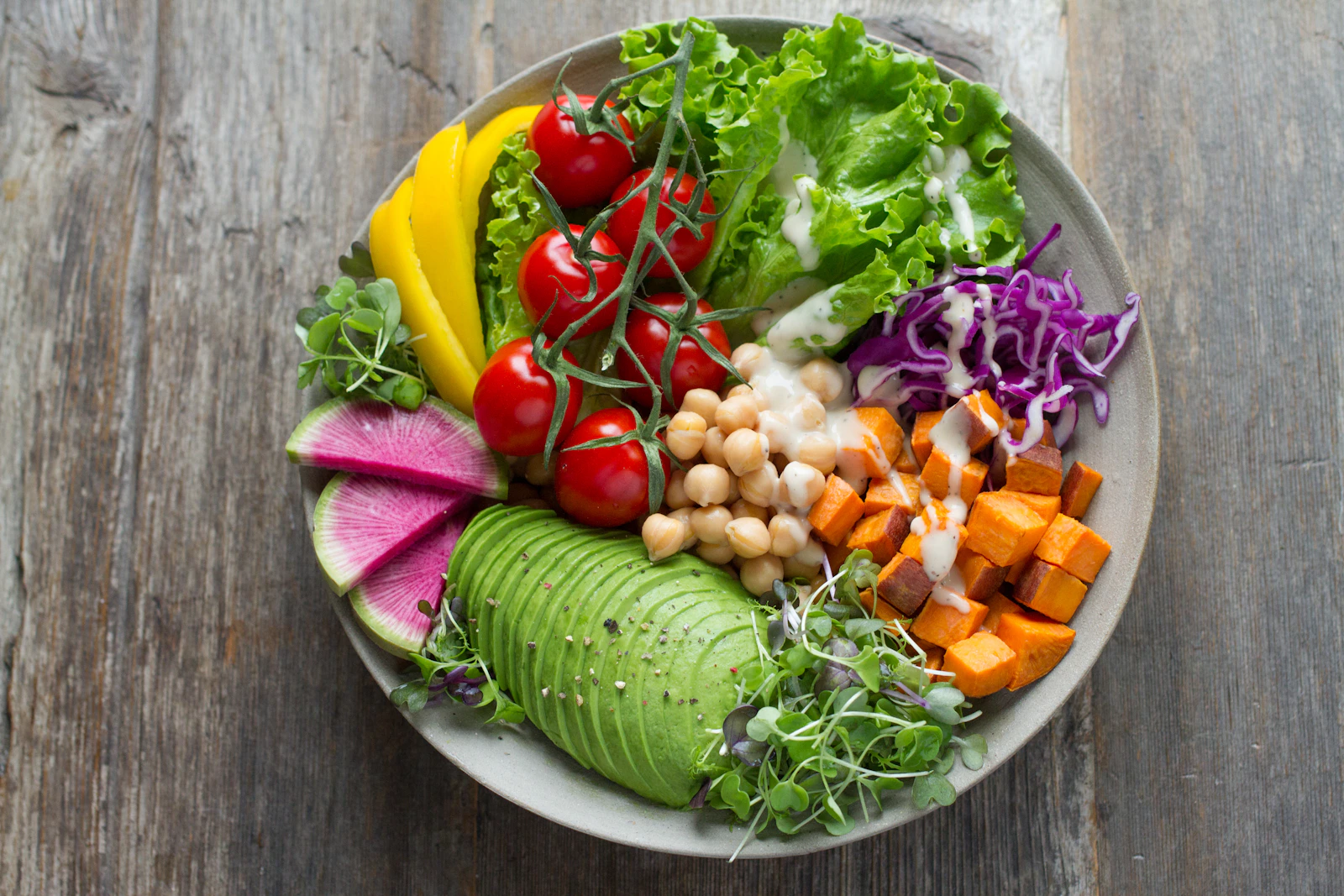
Lunch · High fiber
Sesame Chicken Cabbage Bowl
A sesame chicken cabbage bowl with a deliberate mix of fiber, protein, color, and satisfying texture.

Mise en place
Ingredients
For 1 serving
- 3 oz sliced chicken breast
- 2 cups shredded cabbage
- ½ cup shelled edamame
- ⅓ cup cooked brown rice
- 1 Tbsp reduced-sodium tamari
- 1 Tbsp water
- 1 tsp grated fresh ginger
- 1 small garlic clove, minced
- 1 tsp toasted sesame oil
- 1 tsp sesame seeds
Step by step
Method
- 01
Whisk the tamari, water, ginger, garlic, and any listed citrus, miso, or sesame flavoring in a small cup.
- 02
Brown sliced chicken breast in a hot nonstick skillet; transfer it to a clean plate if it is a protein.
- 03
Cook shredded cabbage and shelled edamame until crisp-tender, then add cooked brown rice, return any reserved protein, and pour in the sauce.
- 04
Cook until every hot ingredient is steaming and tender, then serve promptly. Serve as soon as the sauce lightly coats the ingredients.
Estimated per serving
Nutrition snapshot
Use these estimates as a planning aid. Brands, substitutions, and portion size can change the numbers.
Authenticity & sources
Original DiabeticCookland recipe
Recipe origin. DiabeticCookland developed this measured ingredient list and cooking method. It is not copied from, endorsed by, or presented as a published recipe from another organization.
Nutrition guidance reviewed. The balanced-meal approach was informed by Mayo Clinic · Diabetes Diet. This link is the guidance source—not a claim that the organization authored this recipe.
Food-safety standard. Doneness guidance follows the USDA safe-temperature chart.
Health note. Nutrition values remain estimates and this recipe has not been medically personalized. Use exact product labels when carbohydrate accuracy affects medication dosing.